



By: Ralf Ellspermann
25-Year, Multi-Awarded BPO Veteran
Published: 28 September 2026

Reviewed By: John Maczynski
Former EVP, World's Largest Contact Center
Updated: 28 September 2026
Through automated update ingestion, per-pod micro-huddles and real-time spot checks. The mechanisms are sound, but one omission dominates: unless each labelled item is graded against the guideline version in force when it was labelled, every revision reads as annotator error — which is where most of a reported 22% error rate comes from.
Key Takeaways
- Version-stamp the item, not just the guideline. Grading yesterday’s work against today’s rule turns every revision into measured error. With weekly revisions and a two-week audit lag, roughly 16 of a 22-point error rate is retroactive reclassification rather than mistakes.
- Which means a 22% to 1.2% improvement is two different things. About 16 points are a measurement fix that changes nobody’s behaviour. The remaining 4.8 points — genuine error from around 6% to a little over 1% in 30 days — is the operational achievement, and it is a strong one.
- Fifteen-minute rollout is delivery speed, not comprehension speed. Modelled on a 500-person floor, an instant broadcast with no comprehension gate produces around 28,600 excess errors over five days. A four-hour hold with a structured huddle produces about 2,340.
- The comprehension check runs at half the speed of the change. Bi-weekly alignment quizzes against weekly revisions means one revision in two is superseded before it is ever tested. Attach a short check to each revision instead of to the calendar.
- A 45% speed gain bought with a 1:10 supervisor ratio is 19% to 26% net. Thirty supervisors on 300 agents is a 15% to 22% uplift on delivery cost. The honest figure still beats most alternatives and survives scrutiny in a way the gross number does not.
- Real-time stratified spot checking is the claim that holds up. Mean time to detection falls from about 2.5 days under weekly batch sampling to a quarter of a day, a 90% cut in exposure. A reported 42% reduction in rework is conservative against that.
What Does the Change-Management Framework Actually Change?
Three things it names, and one it does not. Automated ingestion improves delivery speed, real-time spot checking genuinely cuts rework, and per-pod huddles are the right alignment mechanism. The grading basis — which guideline version an item is scored against — is usually left out, and it is the one that decides what the error rate means.
The change-management comparison in general use is a fair description of what mature Philippine operations do, and each row of it improves on the traditional practice it replaces. The value in re-reading it lies in separating what each row fixes from what it is credited with fixing.
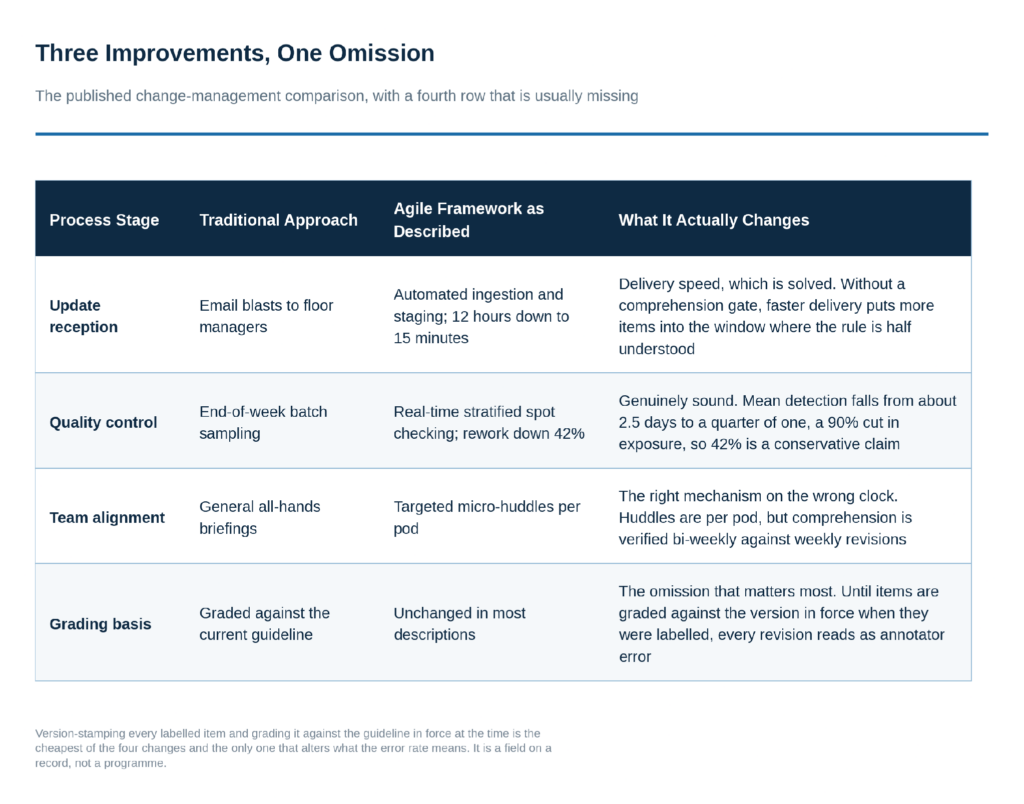
Figure 1. Three improvements, and the row that is usually missing.
Version-stamping is the cheapest of the four changes by a wide margin. It is a field on a record: the guideline version identifier attached to every labelled item at the moment of labelling, and an audit process that reads it. It requires no additional headcount, no new tooling beyond a column, and no change to how anyone works. What it changes is the meaning of every quality number downstream, which is why it belongs in the framework rather than in an appendix.
Why Is a 22% Error Rate Mostly Not the Annotators?
Because a guideline revision moves the grading key retroactively. Work done correctly under version three is marked wrong when audited against version four. With weekly revisions and a two-week audit lag, a plausible 6% genuine error rate is measured at around 22%.
Error rates above 20% on a staffed, trained annotation floor are rare enough that the first question should be about the measurement rather than about the people. In a high-change environment, the measurement is usually where the answer is.
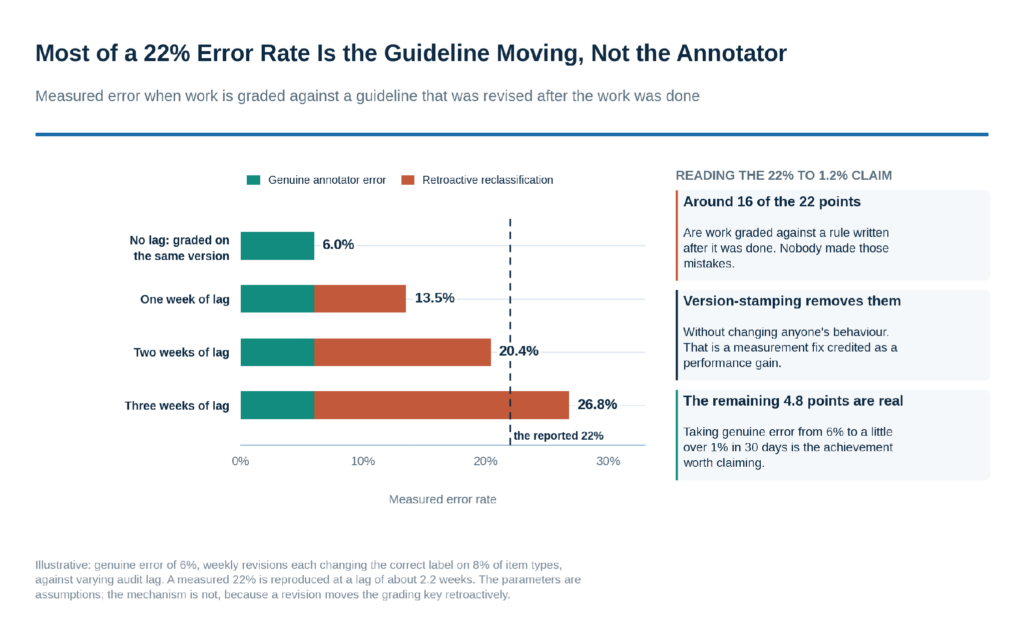
Figure 2. What sits inside a 22% measured error rate.
The arithmetic is straightforward. If each weekly revision changes the correct label on 8% of item types, then the probability that an item is graded against a guideline newer than the one it was labelled under compounds with the audit lag: 8% at one week, 15.4% at two, 22.1% at three. Layer a genuine 6% error rate on top and measured error reaches 13.5%, 20.4% and 26.8% respectively. A reported 22% is reproduced at a lag of about 2.2 weeks, and about 16 of those points are work that was correct when it was done.
This reframes the reported improvement rather than dismissing it. Introducing guideline versioning — which the case study in this category explicitly did — removes the reclassification component immediately and without changing anyone’s behaviour. That is roughly 16 of the 20.8 points. The remaining 4.8 points, taking genuine error from around 6% to a little over 1% in 30 days, is what the pod structure, the supervision ratio and the huddles actually delivered. It is a good result and a defensible one, and it is worth separating from the measurement fix because a buyer who credits the provider with all 20.8 points will set an impossible expectation for the next engagement.
One internal inconsistency is worth resolving before these figures are quoted. The summary claim of a 35% reduction in error rates and the case study’s 22% to 1.2% are not the same number — the latter is a 94.5% reduction. And a 1.2% error rate is 98.8% accuracy, which exceeds the 98.5% compliance benchmark stated in the same source. Both figures may be defensible; they cannot both be the headline.
Does a Fifteen-Minute Rollout Actually Reduce Errors?
Only if a comprehension gate travels with it. Cutting delivery lag from 12 hours to 15 minutes solves a broadcast problem. It does nothing to the time an annotator needs to apply a new rule correctly, so faster delivery without a gate simply moves more items into the window where the rule is half understood.
Deployment speed and alignment speed are independent variables that the framework treats as one. Improving the first without the second is not neutral — it makes things worse, because the volume produced during the misunderstanding window grows in proportion to how quickly the window opens.
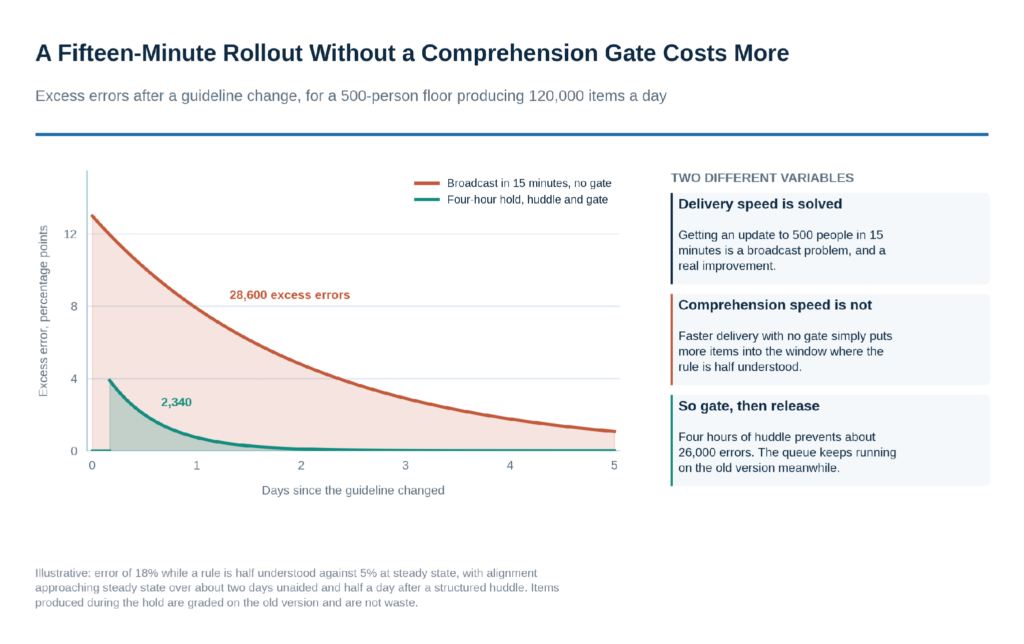
Figure 3. Excess errors after a guideline change, with and without a gate.
Modelled on a 500-person floor producing 120,000 items a day, with error running at 18% while a rule is half understood against 5% at steady state: an instant broadcast with no gate accumulates around 28,600 excess errors over five days, because alignment drifts toward steady state unaided over roughly two days. A four-hour hold containing a structured huddle and a short comprehension check starts the floor at much higher alignment and reaches steady state within half a day, producing about 2,340. The four-hour delay prevents roughly 26,000 errors.
Nothing is lost during the hold. The queue keeps running on the previous guideline version, and those items are graded on that basis — which is exactly what version-stamping makes possible. The two mechanisms are complementary: stamping makes a staged rollout safe to audit, and staging makes the fast ingestion pipeline worth having.
The design principle is to separate ingestion from activation. Ingest updates automatically and immediately, which is what the 15-minute figure describes and is genuinely valuable. Activate them on a gate: the pod lead works a small set of worked examples, the huddle runs, a three-question check confirms comprehension, and only then does the new version go live for that pod. Pods can activate at different times, which is an advantage rather than a problem, because version-stamped items remain gradeable either way.
Is the Comprehension Check Keeping Up with the Change?
No. Bi-weekly alignment quizzes against weekly guideline revisions means one revision in two is superseded before it is ever tested. A 10 to 14 day ramp to full productivity spans one to two revisions, so a new hire is certified against a guideline that moved during their training.
Three cadences are described in this category — revisions weekly, quizzes bi-weekly, ramp over 10 to 14 days — and none of them are aligned to each other. The mismatch is easy to miss because each figure is reasonable in isolation.
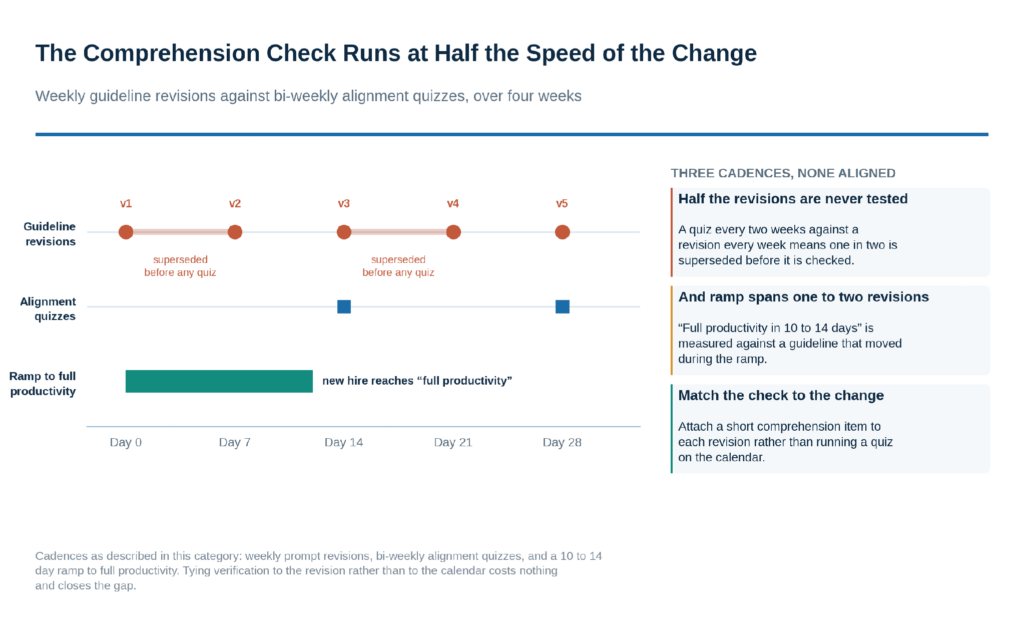
Figure 4. Three cadences, plotted on the same timeline.
The fix costs almost nothing and removes the whole class of problem: tie verification to the revision rather than to the calendar. Each guideline change ships with three to five worked examples drawn from the cases the change was written to resolve, and an annotator answers them before the version activates for their queue. This is smaller than a quiz, it arrives when the material is fresh, and it tests the thing that actually changed rather than a general sample of the rulebook.
The same logic applies to ramp. “Full productivity in 10 to 14 days” needs a version attached to be a meaningful claim, and a new hire finishing training under version four should be treated as trained on version four rather than as trained in general. In a weekly-revision environment, onboarding is not an event that completes; it is the first cycle of a process that continues.
Enterprise buyers often underestimate the operational agility required to manage high-change AI data contracts. Success in the Philippine market belongs to providers who treat prompt engineering and annotation as dynamic, highly engineered processes rather than static administrative tasks.
— John Maczynski, CEO, Cynergy BPO
The engineering framing is the right one, and it has a concrete test. In software, a change that alters behaviour carries a version, ships behind a gate, and is measured against the version that produced each result — nobody grades yesterday’s build against today’s test suite and calls the difference a regression in the developers. An annotation programme that has adopted the vocabulary of agility without adopting version identifiers, activation gates and version-aware auditing has taken the speed and left the discipline that makes speed safe.
What Did the 45% Speed Gain Cost?
Thirty extra supervisors. A 1:10 supervisor-to-agent ratio on 300 agents adds a 15% to 22% uplift to delivery cost depending on relative pay, which converts a headline 45% throughput gain into 19% to 26% in output per dollar.
Supervision ratio is the mechanism behind most of the operational improvement described here, and it is also the largest cost line that the improvement figures leave out.
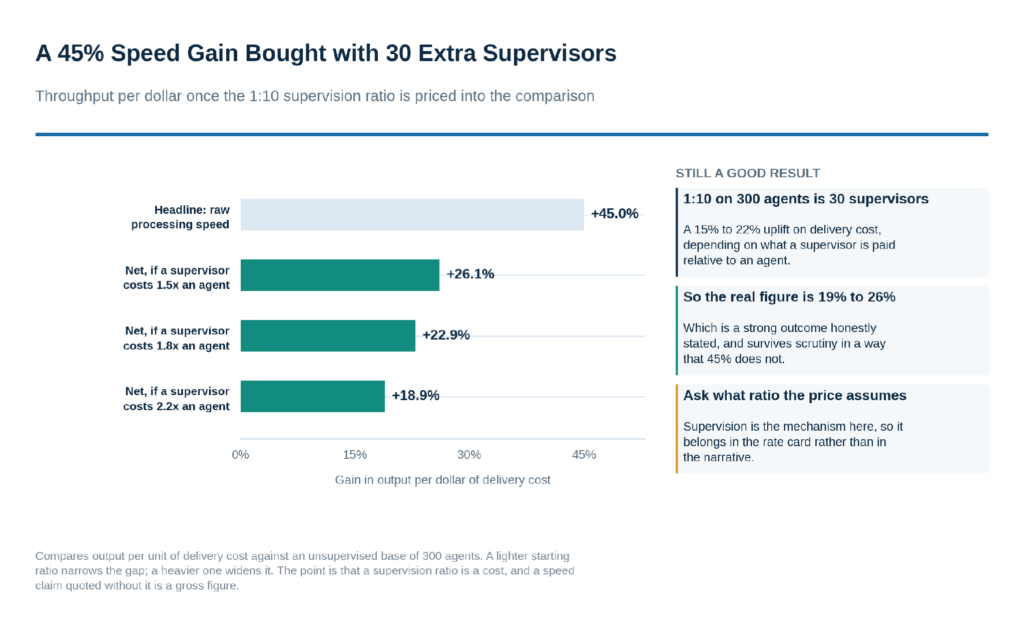
Figure 5. The reported gain, before and after the supervision is priced.
This is not a criticism of the structure. A 1:10 ratio on a high-change workload is a reasonable design, and heavy supervision is precisely how a floor absorbs weekly guideline revisions without drifting. The point is that the ratio is a purchase, so a throughput figure quoted without it is a gross number, and two providers offering different ratios are not comparable on speed alone.
A net gain of 19% to 26% in output per dollar is a strong result that will survive a procurement review. A 45% gain quoted against an unstated 18% cost uplift will not, and the difference between those two outcomes is a single sentence in the proposal. Buyers should ask which supervision ratio a quoted rate assumes, and what happens to the rate if the ratio changes — because the ratio is the first thing that moves when a provider is asked to sharpen a price.
What Should Buyers Specify in a High-Change Annotation Contract?
Seven terms, most of which are cheap for the provider and decisive for the buyer. They concern what an item is graded against, how a change is activated, and what a quoted rate assumes about supervision.
- A guideline version identifier stamped on every labelled item. One field on a record. It is what makes every downstream quality number mean something in an environment where the rules move.
- Version-aware auditing, stated explicitly. Items are graded against the version in force when they were labelled. Without this, the error rate measures revision frequency as much as annotator skill.
- A comprehension gate between ingestion and activation. Ingest in 15 minutes; activate after a short huddle and check. Pods may activate at different times, which version-stamping makes safe.
- Verification attached to each revision, not to the calendar. Three to five worked examples shipped with the change beat a bi-weekly quiz on a rulebook that has moved twice since.
- The supervision ratio the quoted rate assumes. It is the mechanism behind most throughput and quality claims, and the first thing to be thinned when a price is sharpened.
- A defined route and a defined price for escalated edge cases. Edge-case rulings are the raw material of the next revision. If raising one is free for the buyer and costly for the provider, fewer get raised.
- Escalation channels that live inside the controlled environment. A restricted clean room with a consumer chat tool for edge-case rulings is not a restricted clean room. Specify where those conversations happen.
How Did One Enterprise Scale Annotation Operations in Manila?
A Silicon Valley software enterprise scaling a multilingual coding assistant from 50 to 300 agents, facing a 22% error rate and missed quotas under weekly prompt revisions, assessed four providers and deployed a dedicated pod at a 1:10 supervisor ratio with automated guideline versioning — reaching a 1.2% error rate within 30 days alongside a reported 45% throughput gain.
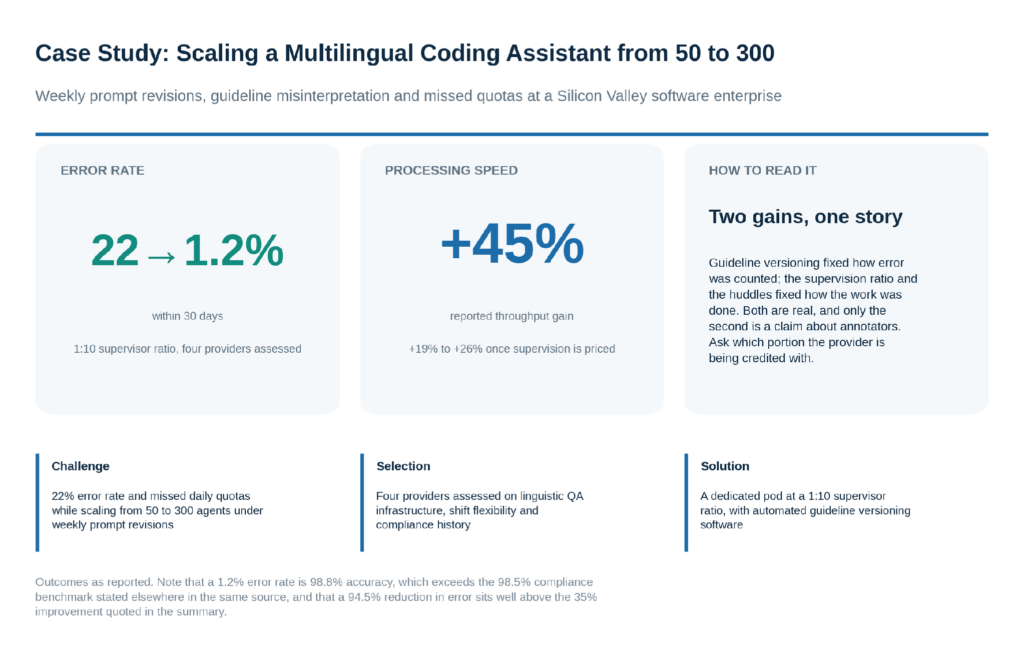
Figure 6. Reported outcomes from a 300-agent coding-assistant programme.
Deploying automated guideline versioning is the decisive move in this engagement and deserves more prominence than it gets. It is listed alongside the supervision ratio as one of two implementation details, when in fact it is what makes the error rate measurable at all. The version identifier is the reason the 30-day comparison is meaningful rather than a comparison between two different grading bases.
The stated lesson — that centralising communication channels for guideline updates prevents downstream confusion — is correct and generalises. The addition worth making is that centralising the channel is necessary and not sufficient: a single authoritative channel delivering an update to 300 people still leaves the question of when each pod begins applying it, and that is what the activation gate answers.
Two figures should be separated before they enter a proposal. The error improvement combines a measurement correction with an operational one, and only the second is a claim about how well the pod works. The throughput improvement is a gross figure against a supervision ratio that was itself part of the solution. Stated as 19% to 26% net throughput per dollar, plus genuine error falling from around 6% to a little over 1%, the same engagement reads as a strong outcome that a procurement team can verify.
Why Do Organizations Work with Cynergy BPO on High-Change Programmes?
Cynergy BPO is an independent, vendor-neutral outsourcing advisory firm headquartered in Manila, representing a vetted network of more than 100 Philippine providers. It maps requirements against performance data to produce a shortlist within days and manages competitive negotiation on the buyer’s behalf.
Who Is Cynergy BPO?
Cynergy BPO is an independent outsourcing advisory and consultancy firm headquartered in Manila, founded by industry veterans with more than 65 years of combined operational experience governing major global accounts. It specialises in connecting mid-market and enterprise organisations with vetted Philippine BPO providers across voice, back-office and AI data operations.
How Does Cynergy BPO Differ from Traditional Outsourcing Brokers?
Traditional brokers are transactional and are compensated by the providers they place, which shapes which provider is recommended. Cynergy BPO applies an advisory-led methodology, mapping exact technical, security and commercial requirements against performance data. On high-change programmes, where the decisive question is what an error rate is measured against, that independence determines which claims get tested.
How Does Cynergy BPO’s Network of 100+ Vetted Philippine BPO Providers Benefit Organizations?
The network establishes which providers already run version-aware auditing rather than building it for a first engagement, which operate activation gates between ingestion and live work, and what supervision ratio sits behind each quoted rate — differences that decide outcomes on a volatile workload and appear in no capability deck.
How Does Cynergy BPO’s Advisory-Led Vendor Matching Process Work?
Requirements are mapped against operational, security and commercial criteria, a tailored shortlist of vetted providers is delivered within a few working days, and the firm then manages competitive proposal and negotiation processes on the buyer’s behalf. Version-stamping, activation gating, supervision ratio and escalation pricing are settled during that process rather than discovered in the first quality report.
Why Do Organizations Use Cynergy BPO?
Because on a high-change programme the reported error rate is a statement about the audit design as much as about the work. Knowing to ask what each item was graded against, before the first invoice, is worth more than any benchmark in a proposal.
Frequently Asked Questions
Why do error rates spike when guidelines change frequently?
Largely because the grading key moves retroactively. Work done correctly under one version is audited against a newer one and counted as wrong. With weekly revisions and a two-week audit lag, a genuine 6% error rate can measure above 20%. Version-stamp each item and grade it against the version in force when it was labelled.
How quickly should a guideline change reach the floor?
Ingest immediately; activate on a gate. Delivery in 15 minutes is a real improvement, but comprehension takes longer, and faster delivery without a gate simply puts more items into the window where the rule is half understood. A short huddle and comprehension check before activation is worth several hours of delay.
How often should annotator comprehension be verified?
On every revision, not on a fixed calendar. Bi-weekly quizzes against weekly changes leave half of all revisions untested before they are superseded. Ship three to five worked examples with each change and require them before the version activates for that annotator’s queue.
What supervisor-to-agent ratio suits a high-change workload?
Ratios around 1:10 are common and defensible where guidelines revise weekly, because close supervision is how a floor absorbs change without drifting. Treat the ratio as a priced input: on 300 agents it adds roughly 15% to 22% to delivery cost, which any throughput claim should be read against.
Is a 10 to 14 day ramp to full productivity realistic?
For a defined guideline version, often yes. In a weekly-revision environment the claim needs a version attached, since a new hire will live through one to two revisions during ramp. Treat onboarding as the first cycle of a continuing process rather than as an event that completes.
Does real-time spot checking actually reduce rework?
Yes, and the mechanism is sound. Rework volume scales with how long a defect goes undetected. Moving from weekly batch sampling to real-time stratified checks cuts mean exposure from roughly 2.5 days to a quarter of a day, so a reported 42% reduction in rework is a conservative claim rather than an optimistic one.
How should edge-case escalations be handled and secured?
Through a defined route with a defined price, so that raising an ambiguity is not costly for the provider, and inside the controlled environment. A restricted clean room with a consumer messaging tool carrying edge-case rulings and prompt content is not a restricted clean room; the channel needs to sit within the same boundary as the work.
What security standards apply to annotation facilities?
ISO 27001 and SOC 2 Type II are certifications a provider holds, and their scope statements matter more than their existence — check that the delivery floor and the tooling are inside the certified scope. Data protection statutes are laws rather than certifications, and the obligations they create fall on the buyer as controller.
Share This
Unlock cost-efficient growth with expert BPO guidance!
Partner with Cynergy BPO to connect with top outsourcing providers.
Streamline operations, cut costs, and scale your business with confidence.
Book a Free Call
Ralf Ellspermann - CSO
Author
Ralf Ellspermann is the Chief Strategy Officer (CSO) of Cynergy BPO and a globally recognized authority in business process and contact center outsourcing. With more than 25 years of experience advising enterprises and SMEs, he provides strategic guidance on vendor selection, CX optimization, and scalable outsourcing strategies across global markets. His expertise spans fintech, ecommerce and retail, healthcare, insurance, travel and hospitality, and technology (AI & SaaS) outsourcing.
A frequent speaker at leading industry conferences, Ralf is also a published contributor to The Times of India and CustomerThink, where he shares insights on outsourcing strategy, customer experience, and digital transformation.