



By: Ralf Ellspermann
25-Year, Multi-Awarded BPO Veteran
Published: 28 September 2026

Reviewed By: John Maczynski
Former EVP, World's Largest Contact Center
Updated: 28 September 2026
Open-source frameworks such as Label Studio, CVAT, LabelImg and Doccano, licensed commercial suites, and client-owned proprietary stacks reached through controlled desktop environments. Every serious provider supports all three, so the useful question is not which tools they support but who controls the one you choose.
Key Takeaways
- Tool support is table stakes; tool ownership is the decision. Capability lists look identical across providers. What differs is whether the platform is yours, the vendor’s or the provider’s, and that decides what you keep if you change supplier.
- The expensive asset is the adjudication history, and it rarely travels. Guidelines and schemas export cleanly. Two years of decisions on hard cases live as records inside a tenancy, and rebuilding them means rediscovering them.
- Platform ownership is a live neutrality question. In 2025 Meta took a roughly 49% stake in Scale AI for about $14.3 billion, after which Google, OpenAI, Microsoft and xAI all cut back or ended their use of the platform.
- Commercial licensing usually pays, and the margin is computable. At a $12 fully loaded hour, a 30% assisted-labelling gain is worth about $440 per seat per month. At a 10% gain the break-even falls to $175.
- Open source is unbundled, not free. Its licence is zero and its engineering is not. One platform engineer across a 50-seat pod is roughly $195 per seat per month.
- An acceptance rate is not an accuracy rate. A 99.4% acceptance figure is consistent with a 0.6% error rate at full inspection and a 12% error rate at 5% inspection.
What Tooling Models Are Available, and Who Controls Each?
Four: client-hosted open source, commercial suites licensed by the client, provider-hosted tooling, and the client’s own proprietary stack reached through a controlled desktop. Philippine providers support all four, and the difference between them is control rather than capability.
Providers list tool support as a differentiator and it has largely stopped being one. Any serious operation runs annotators on Label Studio or CVAT, integrates with a commercial suite, and stands up controlled desktops into a client’s own environment. A shortlist assembled on tool coverage will not separate anybody.
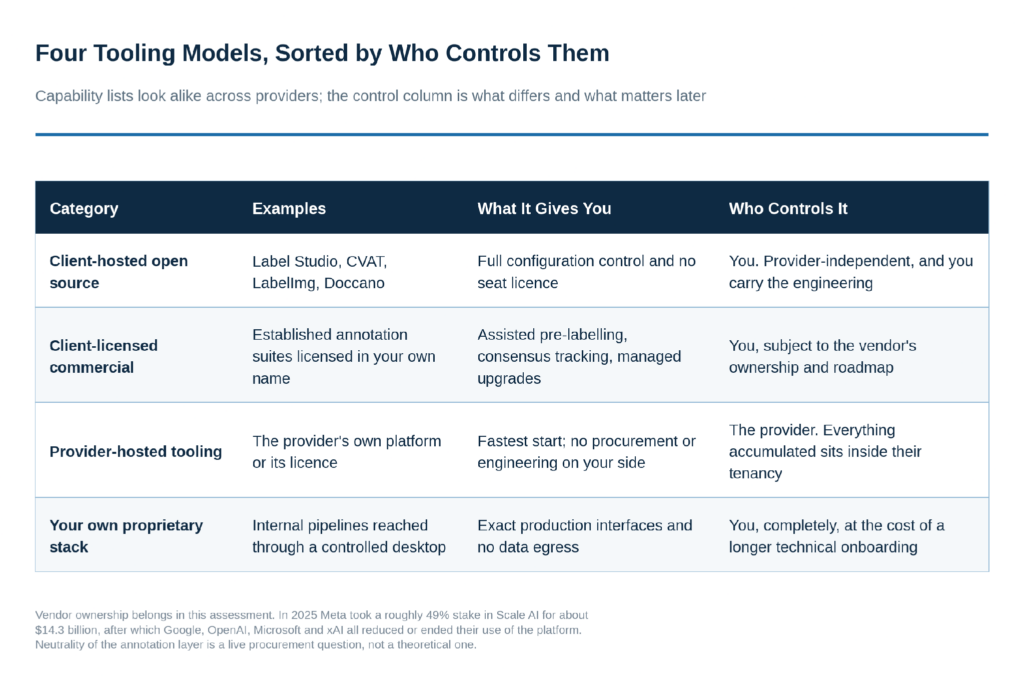
Figure 1. Four tooling models, sorted by who controls them.
The fourth column is the one to evaluate. Client-hosted open source gives complete control and hands the buyer the engineering burden. A commercial suite licensed in the client’s own name keeps the tenancy with the buyer while outsourcing the platform engineering to the vendor. Provider-hosted tooling is the fastest to start and the only option where the accumulated work sits somewhere the buyer does not control. A proprietary internal stack gives exact production interfaces and costs the longest technical onboarding.
Vendor ownership belongs in this assessment too, and 2025 supplied the clearest possible demonstration. Meta acquired a roughly 49% stake in Scale AI for about $14.3 billion; Google, which had spent around $150 million with Scale the previous year, moved to shift much of that work elsewhere, and OpenAI, Microsoft and xAI reduced their spend. Nothing about the platform’s engineering changed. Its ownership did, and for several buyers that was sufficient.
What Actually Accumulates Inside an Annotation Platform?
Far more than labels. The schema and written guidelines, but also the adjudication history on edge cases, gold sets, per-annotator performance records, consensus histories and model-assist checkpoints. Most of that is generated as a by-product of the workflow and is not on anybody’s deliverables list.
Labels are delivered continuously, so a buyer changing providers rarely loses them. What slows a transition is everything the outgoing team learned, and most of it lives in the tool rather than in a document.
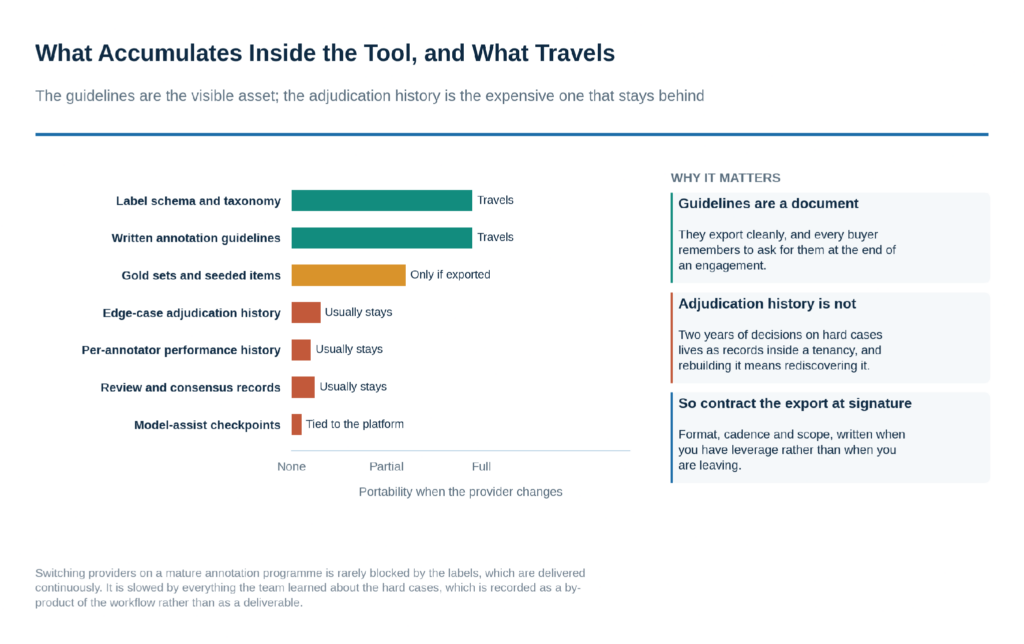
Figure 2. What accumulates in the platform, and what travels.
The asymmetry is the point. Guidelines and taxonomies are documents: every buyer remembers to ask for them and they export cleanly. The adjudication history is a record set — which ambiguous item was decided which way, by whom, on what reasoning — and it is the single most valuable artefact a mature annotation programme produces, because it encodes every question the original guidelines failed to anticipate. It is also the artefact most likely to stay behind, because nobody specified its export format at the start.
The remedy is cheap and has to be applied early. Specify at signature what will be exported, in what format and on what cadence: schema, guidelines with version history, gold sets, adjudication records with rationale, and per-item review history. Written when the engagement is being competed for, these are unremarkable requests. Written at exit, they are a negotiation the buyer conducts from a weak position.
A practical test for the shortlist
Ask a prospective provider to demonstrate an export of adjudication history from an existing engagement, redacted as necessary. Providers who work primarily inside client-owned tenancies will find this straightforward. Providers whose value rests partly on holding that history will not, and the difference in the answer is more informative than any capability list.
Does Commercial Tooling Justify Its Licence Cost?
Usually, and the break-even is easy to compute. At a $12 fully loaded hour and 160 productive hours a month, a 30% throughput gain from assisted pre-labelling avoids roughly $440 of labour per seat per month, so any licence below that pays for itself.
The draft framing in this market sets zero-cost open source against expensive commercial suites, which understates the comparison in both directions.
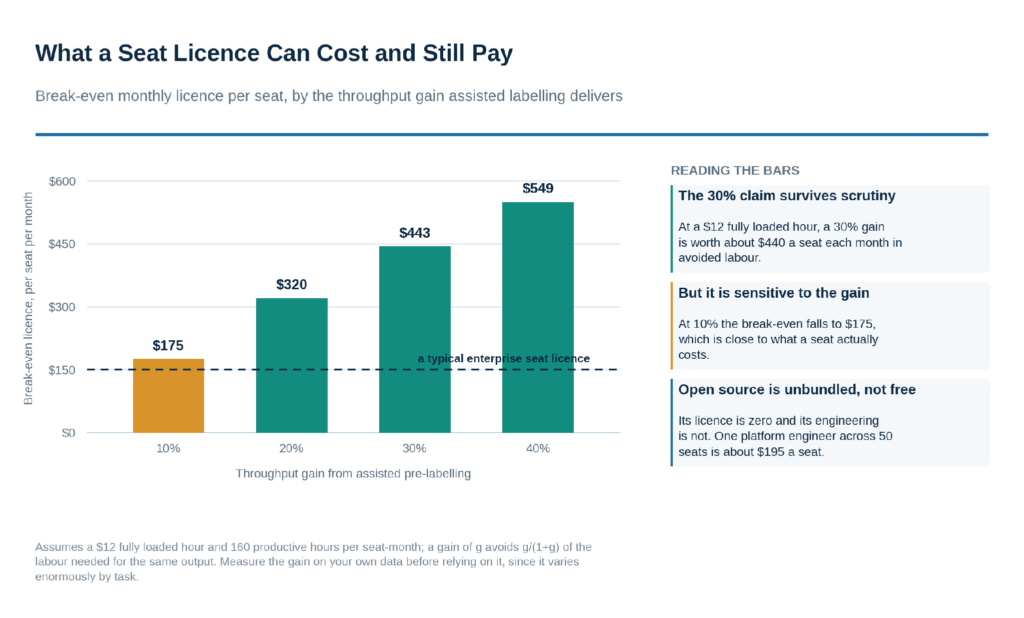
Figure 3. Break-even licence per seat, by throughput gain.
The commercial case is stronger than it looks. A throughput gain of g avoids g/(1+g) of the labour needed for the same output, so at 30% that is about 23% of a seat-month — roughly $440 at a $12 hour. Typical enterprise annotation seats sit well below that, which means the suite is often net cash positive rather than merely justified. But the result is sensitive: at a 10% gain the break-even drops to $175, which is close to what a seat actually costs, and at that point the decision turns on other factors.
The open-source case is weaker than it looks for the reason the draft itself concedes: it requires higher internal engineering support. That support has a price. One platform engineer supporting a 50-seat pod is about $195 per seat per month — more than many commercial licences, before the assisted-labelling gain is counted at all. Open source wins where the pod is large enough to amortise the engineers, where the workflow is unusual enough that configurability matters more than features, or where assisted labelling genuinely does not help.
The figure worth insisting on is the throughput gain itself, measured on your own data rather than quoted from a vendor deck. It varies enormously by task, and it is the term the whole comparison rests on.
What Does Assisted Pre-Labelling Cost You?
Independence. An annotator adjudicating a machine suggestion decides differently from one producing an answer from scratch: a plausible but wrong suggestion is accepted more readily than it would have been generated. The throughput gain is real and it is partly paid for in detection.
Model-assisted pre-labelling is among the most effective throughput levers available and belongs in most production pipelines. The caution is about where it belongs.
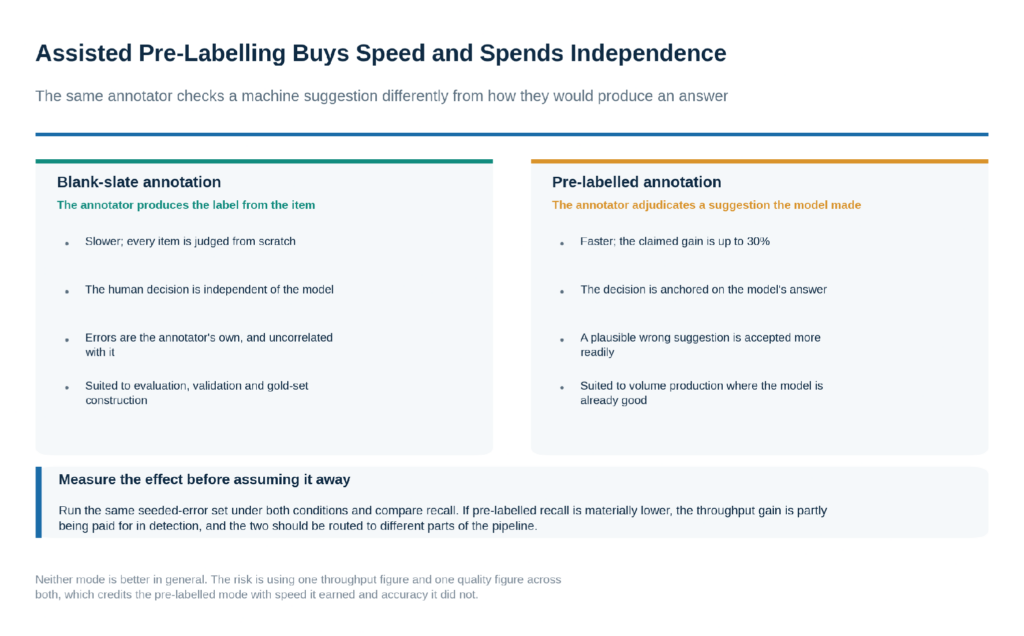
Figure 4. Two annotation modes and what each is suited to.
Anchoring is the mechanism. Presented with a suggestion, a reviewer’s task changes from generation to verification, and verification is systematically more permissive — particularly when the suggestion is plausible, which is exactly when it is most dangerous. For volume production against a model that is already good, this is an acceptable and well-understood trade. For evaluation work, validation, or constructing the gold set that everything else will be measured against, it defeats the purpose: an independent human judgement is the product, and pre-labelling removes the independence.
The effect is measurable rather than theoretical. Run the same seeded-error set under both conditions and compare recall. If pre-labelled recall is materially lower, the throughput figure and the quality figure are no longer describing the same process, and the two modes should be routed to different parts of the pipeline with separate metrics.
How Should Quality Be Measured Inside the Platform?
Through gold-set injection and multi-tier review configured in the workflow, reported as accuracy against an independently adjudicated key with the sample size stated. Platform consensus scoring is useful operationally and is not a substitute for a key.
One metric in wide use deserves particular scrutiny because it reads as a quality figure and is not one.
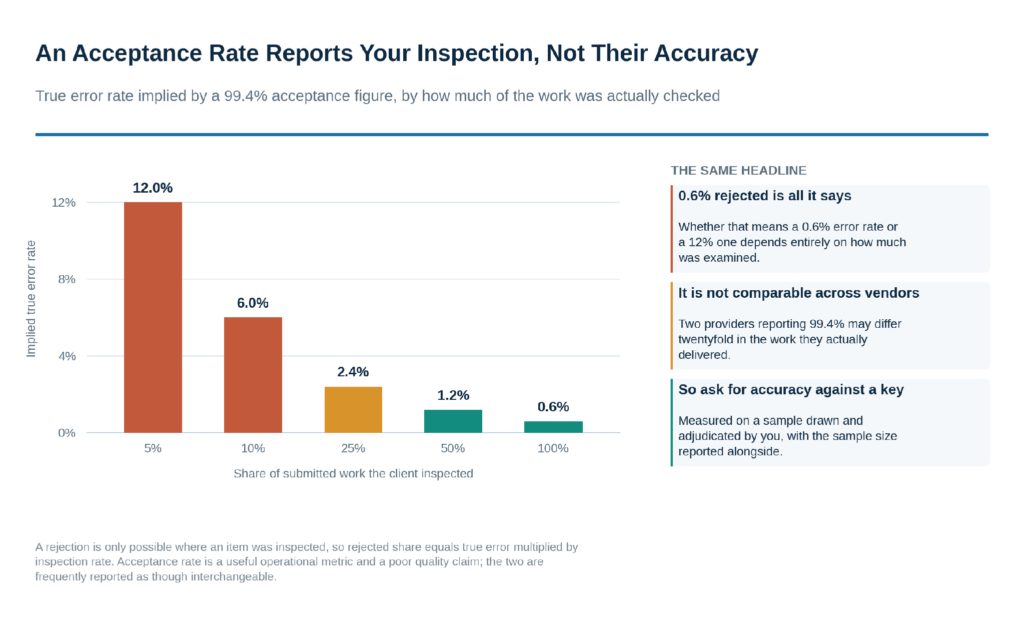
Figure 5. What a 99.4% acceptance rate can actually mean.
An acceptance rate is the share of submitted work the client did not reject. A rejection is only possible where an item was inspected, so the rejected share equals the true error rate multiplied by the inspection rate. Running that backwards: a 99.4% acceptance figure means 0.6% was caught, which implies a 0.6% true error rate if everything was checked, 2.4% at a quarter inspection, and 12% at 5% inspection. The same headline covers a twentyfold range.
This makes acceptance rate a poor basis for comparing vendors and a poor basis for a service level, though it remains a perfectly good operational signal for tracking a single engagement over time. What belongs in a contract is accuracy against a key drawn and adjudicated on the buyer’s side, reported with the sample size — which is also the only figure that supports a release decision.
Gold-set injection inside the platform is the right mechanism for producing it. Seeded items pass through the normal workflow indistinguishable from live work, and recall against them is a direct measurement of what the pod catches rather than an inference from what the client happened to notice.
How Do Providers Integrate With Proprietary Client Environments?
Through dedicated engineering pods that configure controlled desktop environments mirroring the client’s staging setup, establish API bridges for dataset ingestion and feedback, and run technical proficiency simulations so annotators are tested on the actual interface before production.
This is the capability that genuinely separates providers, and it is an engineering question rather than a labour one. Configuring a controlled desktop against a non-standard toolchain, keeping it synchronised with a client’s release cadence, and diagnosing latency or pipeline faults in real time all require staff a headcount-based provider does not employ.
- Ask who employs the integration engineers. A provider with an in-house engineering pod behaves differently from one that subcontracts integration or expects the client to handle it.
- Test proficiency on the real interface, not a generic one. Custom keyboard shortcuts and interaction patterns are where throughput is won and lost, and they cannot be rehearsed on a substitute platform.
- Agree what happens when the client ships a platform change. A release that alters the annotation interface stops a pod. Whose responsibility it is to re-test and re-train should be settled in advance.
- Establish the support model for pipeline faults. Synchronisation failures and latency are operational emergencies for an annotation pod, and an overnight ticket queue is not an answer.
- Keep tenancy and credentials on the client side. Where the environment is the client’s, the accumulated records are too, which resolves most of what Figure 2 describes.
What Do Industry Leaders Say About Tooling Readiness?
That operational readiness is defined by the ability to mirror a proprietary client toolchain quickly without compromising data sovereignty or security compliance — an engineering capability rather than a list of supported platforms.
The emphasis on mirroring rather than substituting is the right one, and it has a consequence worth drawing out.
True operational readiness in artificial intelligence data preparation is defined by an infrastructure’s ability to mirror any proprietary client toolchain instantly without compromising data sovereignty or security compliance.
— John Maczynski, CEO, Cynergy BPO
A provider that mirrors the client’s toolchain is working inside the client’s tenancy, which means the schema, the adjudication history and the performance records accumulate where the buyer controls them. A provider that migrates the client onto its own platform is doing something that looks similar and produces the opposite outcome. Both will describe themselves as tool-agnostic. The distinction shows up years later, at the point of switching, and it is the most consequential thing in this article.
How Did One Enterprise Integrate a Proprietary Vision Stack?
An autonomous vehicle and logistics enterprise needed 200 annotators onboarded onto a proprietary LiDAR and camera labelling platform within 30 days. Eighteen Philippine providers were assessed on engineering capability; the selected partner completed integration 10 days early and reached 45,000 objects daily.
The selection criterion is the transferable lesson. Evaluating 18 providers on engineering infrastructure, API integration capability and prior custom-toolchain experience — rather than on headcount or rate — is what produced a working integration, and the draft is right to say so.
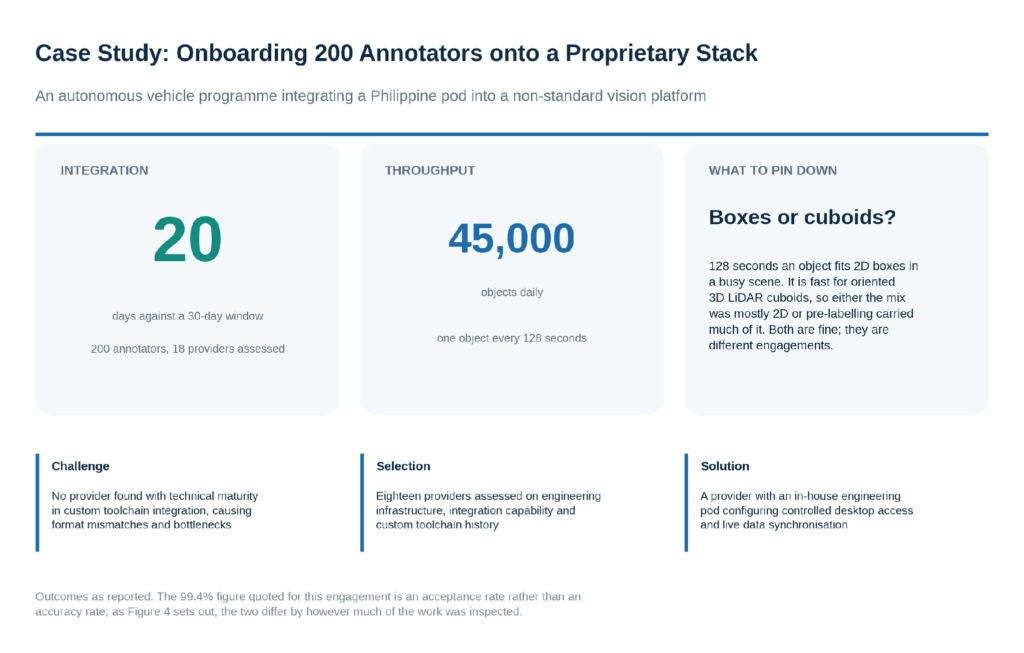
Figure 6. Reported outcomes from a proprietary-stack integration.
Two figures reward a closer look. The throughput of 45,000 objects daily across 200 annotators is 225 objects per person per day, or one every 128 seconds. That is comfortable for 2D bounding boxes in a busy scene and fast for oriented 3D LiDAR cuboids, which is what the engagement describes. Either the mix was predominantly 2D or assisted pre-labelling carried a substantial share of it. Both are entirely reasonable, and they are different engagements to replicate.
The second is the 99.4% acceptance rate. As Figure 5 sets out, that reports how much of the submitted work the client rejected, which depends on how much the client inspected. For an autonomous vehicle programme, where a missed object has consequences a rework cycle does not capture, the figure to have asked for is recall against a seeded set — measured inside the platform, on work the pod could not identify as a test.
Why Do Organizations Work with Cynergy BPO on Tooling Fit?
Cynergy BPO is an independent, vendor-neutral outsourcing advisory firm headquartered in Manila, representing a vetted network of more than 100 Philippine providers. It maps requirements against performance data to produce a shortlist within days and manages competitive negotiation on the buyer’s behalf.
Who Is Cynergy BPO?
Cynergy BPO is an independent outsourcing advisory and consultancy firm headquartered in Manila, founded by industry veterans with more than 65 years of combined operational experience governing major global accounts. It specialises in connecting mid-market and enterprise organisations with vetted Philippine BPO providers across voice, back-office and AI data operations.
How Does Cynergy BPO Differ from Traditional Outsourcing Brokers?
Traditional brokers are transactional and are compensated by the providers they place, which shapes which provider is recommended. Cynergy BPO applies an advisory-led methodology, mapping exact technical, security and commercial requirements against performance data rather than against availability. On tooling in particular, an adviser with no placement incentive has no reason to steer a buyer toward a provider-hosted platform.
How Does Cynergy BPO’s Network of 100+ Vetted Philippine BPO Providers Benefit Organizations?
The network answers what a capability list cannot: which providers genuinely employ integration engineers rather than subcontracting them, which have worked inside client tenancies before, and which have exported a full adjudication history at the end of an engagement.
How Does Cynergy BPO’s Advisory-Led Vendor Matching Process Work?
Requirements are mapped against operational, technical and commercial criteria, a tailored shortlist of vetted providers is delivered within a few working days, and the firm then manages competitive proposal and negotiation processes on the buyer’s behalf. Tenancy, export obligations and quality definitions are settled as part of that process rather than after selection.
Why Do Organizations Use Cynergy BPO?
Because every provider supports every tool, which makes the tooling section of a proposal almost content-free. The questions that matter — who holds the tenancy, who employs the engineers, what leaves with you — are not answered in proposals and are expensive to discover late.
Frequently Asked Questions
Which annotation tools do Philippine providers support?
Label Studio, CVAT, LabelImg and Doccano among open-source frameworks, the established commercial suites, and client-owned proprietary platforms reached through controlled desktop environments. Support is near-universal among serious providers, so it is not a useful basis for a shortlist.
Should the platform be licensed by the client or the provider?
By the client wherever the engagement is expected to run for more than a few months. It keeps the tenancy — and therefore the adjudication history, gold sets and performance records — on the buyer’s side, which removes the largest hidden cost of changing providers later.
Does provider-hosted tooling create lock-in?
It creates switching cost rather than lock-in. The labels are delivered continuously, but the record of how hard cases were decided accumulates inside the provider’s tenancy and is rarely exportable by default. Specify the export format, scope and cadence at signature.
Is open-source tooling cheaper?
Its licence is zero and its total cost is not. A platform engineer supporting a 50-seat pod is roughly $195 per seat per month, which exceeds many commercial licences before any assisted-labelling gain is counted. Open source wins at larger pod sizes and on unusual workflows.
How long does it take to train annotators on a new platform?
Five to ten business days to full productivity for a standard interface, longer for a proprietary stack with custom interaction patterns. Test proficiency on the actual interface rather than a generic equivalent, since that is where throughput is won.
Should assisted pre-labelling be used everywhere?
No. It is well suited to volume production against a model that is already performing, and unsuited to evaluation, validation or gold-set construction, where an independent human judgement is the product. Measure recall under both conditions before applying one metric across them.
How should quality be measured inside the tool?
Through gold-set injection passing invisibly through the normal workflow, with recall reported against those seeded items and the sample size stated. Platform consensus scoring supports this and does not replace it.
Does an acceptance rate indicate annotation accuracy?
Not on its own. It equals true error multiplied by inspection rate, so a 99.4% acceptance figure implies a 0.6% error rate at full inspection and about 12% at 5% inspection. Always report the inspection rate alongside it, or use accuracy against a key instead.
Share This
Unlock cost-efficient growth with expert BPO guidance!
Partner with Cynergy BPO to connect with top outsourcing providers.
Streamline operations, cut costs, and scale your business with confidence.
Book a Free Call
Ralf Ellspermann - CSO
Author
Ralf Ellspermann is the Chief Strategy Officer (CSO) of Cynergy BPO and a globally recognized authority in business process and contact center outsourcing. With more than 25 years of experience advising enterprises and SMEs, he provides strategic guidance on vendor selection, CX optimization, and scalable outsourcing strategies across global markets. His expertise spans fintech, ecommerce and retail, healthcare, insurance, travel and hospitality, and technology (AI & SaaS) outsourcing.
A frequent speaker at leading industry conferences, Ralf is also a published contributor to The Times of India and CustomerThink, where he shares insights on outsourcing strategy, customer experience, and digital transformation.