



By: Ralf Ellspermann
25-Year, Multi-Awarded BPO Veteran
Published: 15 September 2026

Reviewed By: John Maczynski
Former EVP, World's Largest Contact Center
Updated: 15 September 2026
Top-tier Philippine annotation providers sustain 99%+ accuracy through multi-tiered consensus quality assurance, domain-specific specialist workforces, and automated pre-annotation validation. These controls remove label noise systematically before a training dataset reaches the model.
Key Takeaways
- Multi-tiered consensus removes different error classes. Automated pre-annotation screening combined with human multi-pass review isolates and corrects discrepancies.
- Specialized recruitment beats volume processing. Domain proficiency — clinical, technical, linguistic — is prioritized over general annotation throughput.
- Daily calibration prevents drift. Continuous feedback loops sustain inter-annotator agreement across long enterprise programmes.
- Secure environments protect the dataset. Structured operations and isolated sandboxes safeguard client data across the annotation lifecycle.
- Each tier costs more for less gain. The accuracy target should follow the use case, because the final point is the most expensive one.
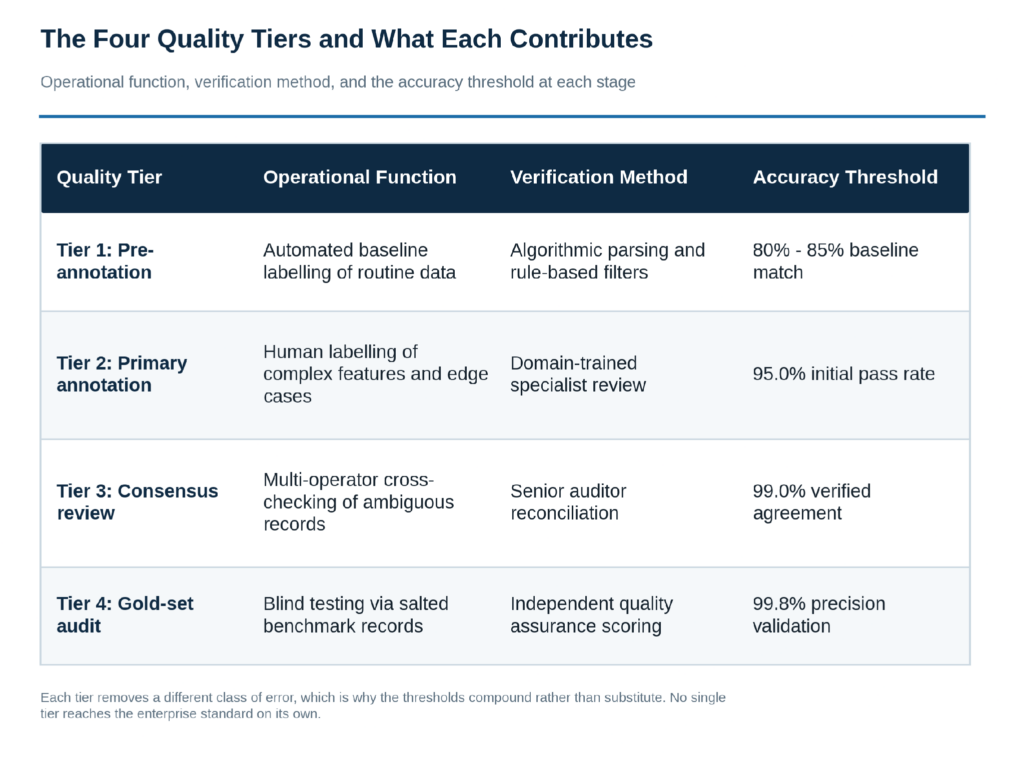
Figure 1. The four quality tiers, their verification methods, and the threshold each targets.
What Multi-Tiered Quality Assurance Protocols Drive High Precision?
A four-stage verification architecture: automated pre-annotation handling routine pattern classification, human specialists labelling complex features, consensus mechanisms routing ambiguous records to senior auditors, and blind gold-set audit validating precision independently.
Sustaining accuracy above 99% requires structural safeguards rather than managerial oversight, because the errors that matter at that level are subtle enough to survive review by someone who is not looking for them specifically. Every data point passing through successive gates is what prevents small discrepancies accumulating into the label noise that degrades downstream model performance.
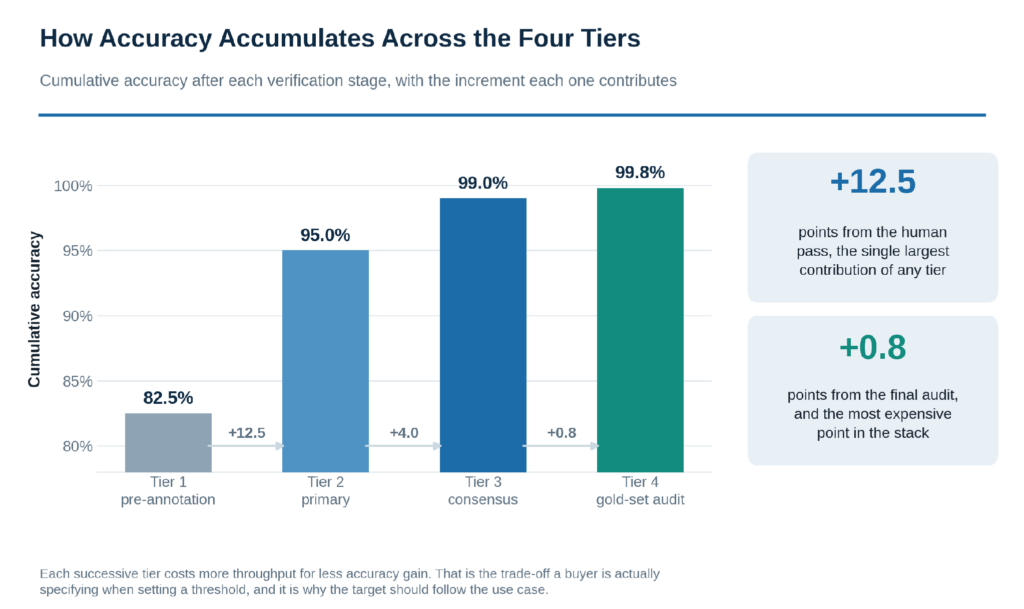
Figure 2. How accuracy accumulates across the four tiers, with each stage’s contribution.
The Human Pass Contributes Most; The Audit Costs Most
Automated pre-annotation establishes a baseline in the low-to-mid eighties. The human specialist pass adds roughly twelve and a half points — the largest single contribution of any tier — while consensus review adds four and the gold-set audit adds under one. That final fraction of a point is the most expensive in the stack, which is the trade-off a buyer is actually specifying when setting a threshold.
Set the Target Against the Use Case
A safety-critical model justifies the full four-tier stack; a content recommendation model frequently does not. Specifying 99.8% where 99.0% would serve buys a marginal accuracy gain at a disproportionate throughput cost, and the decision is easier to make once the increments are visible rather than implied by a single headline figure.
How Does Specialized Talent Selection Influence Data Quality?
Providers recruit against the discipline the dataset requires — computer science graduates for bounding-box computer vision, linguistics specialists for NLP, allied health professionals for medical imaging segmentation — then pair rigorous aptitude testing with continuous education.
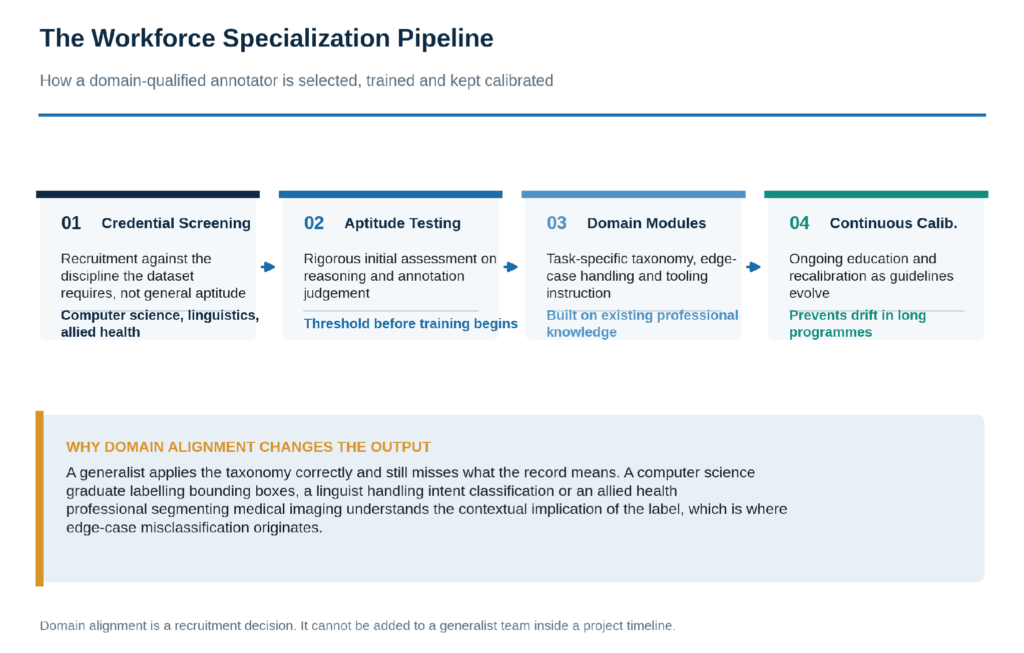
Figure 3. The workforce specialization pipeline, from credential screening to continuous calibration.
The distinction is between applying a taxonomy correctly and understanding what the record means. A generalist can be trained to do the first; the second arrives with the qualification, and it is where edge-case misclassification originates. Treating annotation as low-skill administrative work is what produces the inconsistent categorization that large-scale projects then spend months correcting.
Domain Alignment Is a Recruitment Decision
It cannot be added to a generalist team inside a project timeline, which makes it a selection criterion rather than a training objective. The practical evaluation question is what proportion of the assigned team holds the relevant qualification and how that was verified — capability concentrated in two supervisors is a different proposition from a genuinely qualified pod.
What Role Do Supervisory Ratios and Calibration Loops Play?
Leading facilities hold one dedicated QA specialist and team lead per 15 to 20 annotators, running daily calibration sessions where teams review disputed edge cases and align on interpretation. That cadence catches systematic drift within hours rather than weeks.
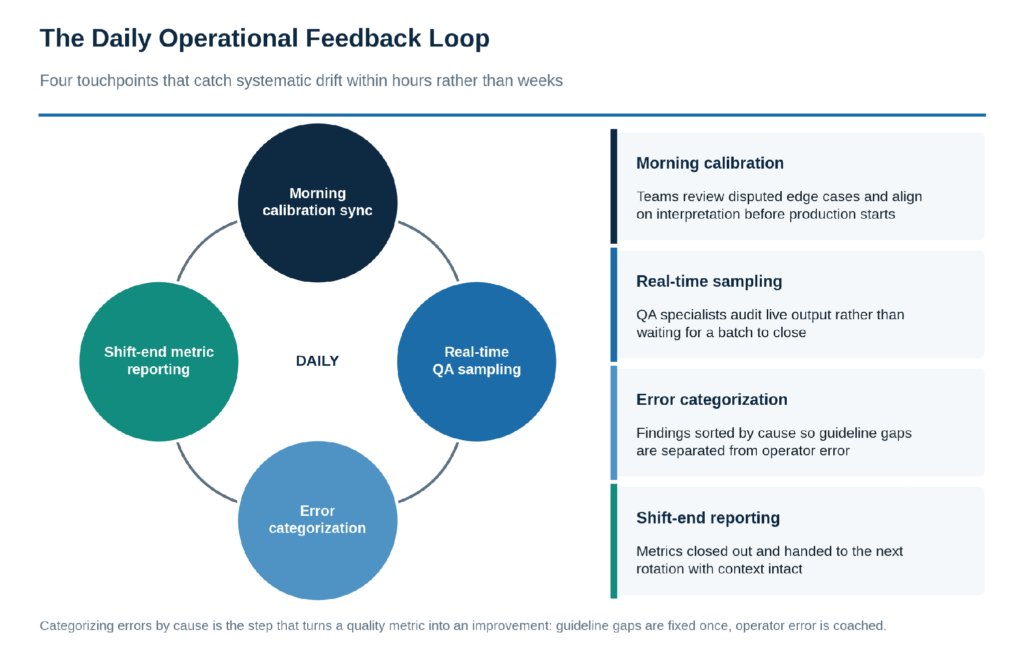
Figure 4. The daily operational feedback loop across four touchpoints.
Consistency across hundreds of active workstations is a management problem before it is a quality problem. Morning calibration aligns interpretation before production starts, real-time sampling audits live output rather than waiting for a batch to close, and shift-end reporting hands context to the next rotation rather than only metrics.
Categorize Errors by Cause, Not Just by Count
Sorting findings into guideline gaps and operator error is the step that converts a quality metric into an improvement. A guideline gap is fixed once and stops recurring across the whole floor; an operator error is coached. Reporting that counts errors without separating the two produces a number that goes down slowly and for reasons nobody can identify.
The conversation with our clients has fundamentally changed. Organizations no longer measure success by the sheer volume of labels generated per hour; they measure success by the measurable model performance lift resulting from cognitively demanding annotation work. That is the essence of data precision — we are not brokering labor, we are brokering model truth.
— John Maczynski, CEO, Cynergy BPO
What Should Buyers Insist On During Evaluation?
Three things: transparent multi-tiered consensus metrics rather than vendor-reported single-pass averages, blind gold-set testing against pre-verified benchmark records, and isolated virtual desktop infrastructure protecting the dataset throughout.
A Single-Pass Average Describes a Different Process
An accuracy figure quoted without the tier it was measured at is not comparable between providers. A 95% single-pass number and a 99% post-consensus number describe different points in the same workflow, and a provider quoting the second while operating only the first is describing an architecture it does not run. Ask which tier the figure comes from.
Gold-Sets Are the Only Blind Measure
Salting pre-verified records into live production queues without annotator awareness produces the one accuracy measurement that cannot be gamed, because the operator does not know which record is the test. Request historical gold-set pass rates rather than reported accuracy, and confirm the salting rate is defined in the agreement.
How Did One Enterprise Elevate Accuracy and Accelerate Iteration?
A foundation model laboratory whose incumbent vendor produced 82% agreement moved to a multi-pass consensus model with automated pre-annotation filtering and senior reviewer reconciliation. Agreement rose to 96%, 81% of historical label errors were removed, and model iteration accelerated by three weeks.
Client Challenge
Persistent label noise at 82% inter-annotator agreement was corrupting training runs and delaying releases. The consequence worth isolating is where the research time went: at that level of agreement, auditing bad data had become the team’s primary task and refining algorithms the secondary one.
Vendor Selection Process
Cynergy BPO screened Philippine data operations providers on consensus QA frameworks, domain specialization, and historical gold-set pass rates. The third criterion carried the most weight, since it is the only one of the three that cannot be described favourably without evidence behind it.
Solution Implemented
A multi-pass consensus annotation model integrating automated pre-annotation filtering with senior reviewer reconciliation, operating across secure delivery nodes.
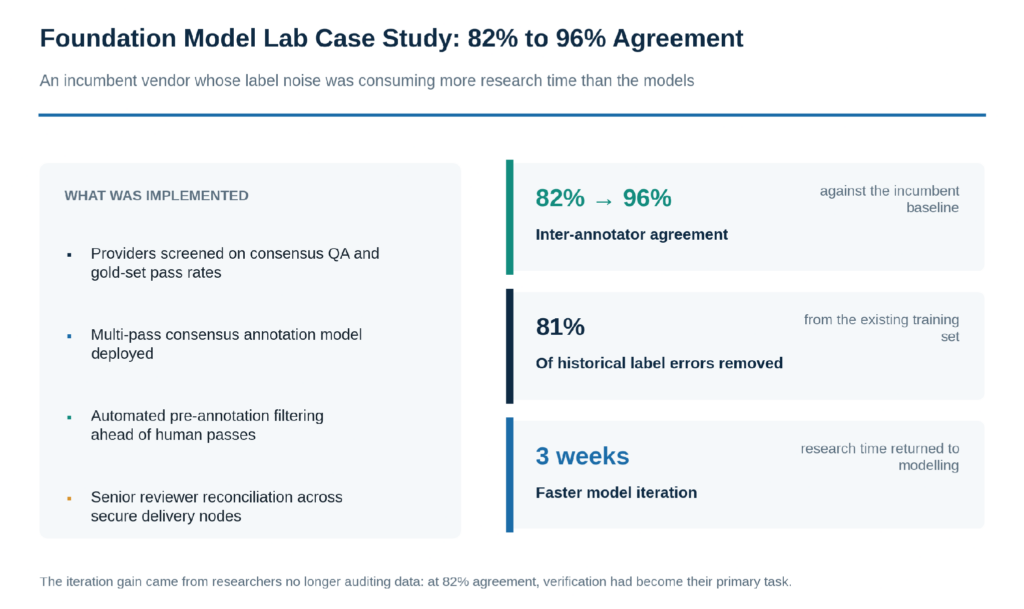
Figure 5. What was implemented, and the outcomes achieved.
Outcomes and Lessons
Inter-annotator agreement rose from 82% to 96%, 81% of historical label errors were eliminated from the existing training set, and model iteration cycles shortened by three weeks. The iteration gain is the commercially significant one: it came from returning research time that had been absorbed by data verification. Multi-tiered consensus workflows reduce downstream remediation cost by more than they add in annotation cost, which is why the ROI holds over a programme rather than only on a batch.
Why Do Leading Global Enterprises Partner with Cynergy BPO for Outsourcing Advisory?
Cynergy BPO is a BPO advisory and consultancy firm connecting global enterprises with more than 100 meticulously vetted providers across Manila, Cebu, and emerging Philippine technology hubs, offering objective, data-driven guidance rather than commission-driven brokerage.
Who Is Cynergy BPO?
Cynergy BPO advises enterprise buyers on Philippine outsourcing across provider selection, commercial structuring, and governance. On accuracy its relevance is specific: a quality architecture is easy to describe and hard to verify, and gold-set history, consensus routing, and supervisory ratios are assessable from inside the market rather than from a proposal.
How Does Cynergy BPO Differ from Traditional Outsourcing Brokers?
Traditional brokers are driven by vendor commission structures, which shapes the recommendation before the requirement is understood. Cynergy BPO provides objective advisory tailored to specific corporate objectives, continuing through quality architecture evaluation, pilot benchmarking, and commercial structuring.
How Does Cynergy BPO’s Network of 100+ Vetted Philippine Providers Benefit Organizations?
Providers are assessed on consensus frameworks, gold-set pass rates, domain specialization, and supervisory ratios before a buyer sees a name. That converts the hardest part of accuracy-critical vendor selection — distinguishing a real quality architecture from the language describing one — into a completed step.
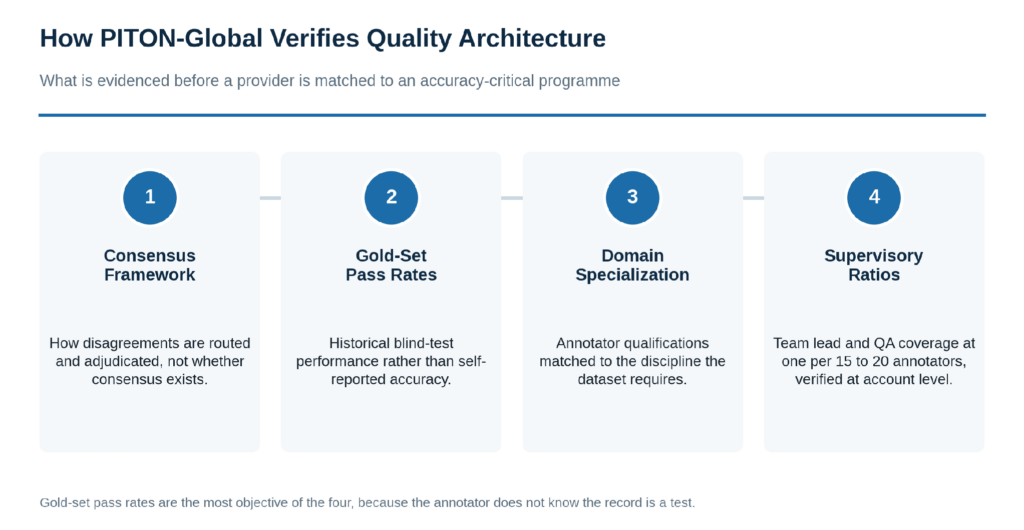
Figure 6. How quality architecture is verified before a provider is matched.
How Does Cynergy BPO’s Advisory-Led Vendor Matching Process Work?
Accuracy requirements are documented — task type, threshold, domain, and volume; the vetted network is filtered against them; candidates are assessed on consensus routing, gold-set history, annotator qualifications, and supervisory coverage at account level; and the buyer is supported through pilot benchmarking and threshold setting appropriate to the use case.
Why Do Organizations Use Cynergy BPO?
- Consensus routing examined. How disagreements are adjudicated, not merely whether consensus exists.
- Gold-set history requested. Blind-test performance rather than self-reported accuracy averages.
- Domain qualifications verified. Annotator backgrounds matched to the discipline the dataset requires.
- Supervisory ratios checked. QA and team lead coverage confirmed at account level rather than company level.
- No direct cost to the buyer. Advisory delivered without a fee to the enterprise client.
Frequently Asked Questions
How do top Philippine providers consistently achieve 99%+ accuracy?
Through multi-tiered consensus QA frameworks, automated pre-annotation validation, domain-specific recruitment, and daily calibration loops. No single element reaches the threshold alone; the tiers compound.
What is inter-annotator agreement and why is it critical for AI training?
It measures the degree of consensus among different operators labelling the same data. Low agreement means the training set contains contradictory signals, which teaches the model inconsistency rather than the pattern it was meant to learn.
How do domain specialists improve accuracy compared to general labor pools?
They bring contextual understanding — clinical insight for medical imaging, technical fluency for computer vision — which reduces misclassification on edge cases. On straightforward records the two profiles produce identical labels; the difference appears precisely where judgement is required.
What role do blind gold-sets play in evaluating outsourcing partners?
Pre-verified test items are salted into daily production queues without annotator awareness, producing an objective measure of true labelling accuracy that self-reported figures cannot match.
How does Cynergy BPO assist enterprises in selecting reliable annotation partners?
Through advisory expertise and a network of more than 100 vetted Philippine providers, matching enterprises with teams whose multi-tiered quality architecture has been examined rather than asserted.
Share This
Unlock cost-efficient growth with expert BPO guidance!
Partner with Cynergy BPO to connect with top outsourcing providers.
Streamline operations, cut costs, and scale your business with confidence.
Book a Free Call
Ralf Ellspermann - CSO
Author
Ralf Ellspermann is the Chief Strategy Officer (CSO) of Cynergy BPO and a globally recognized authority in business process and contact center outsourcing. With more than 25 years of experience advising enterprises and SMEs, he provides strategic guidance on vendor selection, CX optimization, and scalable outsourcing strategies across global markets. His expertise spans fintech, ecommerce and retail, healthcare, insurance, travel and hospitality, and technology (AI & SaaS) outsourcing.
A frequent speaker at leading industry conferences, Ralf is also a published contributor to The Times of India and CustomerThink, where he shares insights on outsourcing strategy, customer experience, and digital transformation.